
By Rebecca Clark
For more than three decades, Alison Krauss has been one of the most recognizable voices in American music. Her ability to blend bluegrass, country, folk, and gospel influences has earned her fans across generations, and on July 25, 2026, those fans gathered at CMAC in Canandaigua, NY, for an evening that showcased why her music continues to resonate.
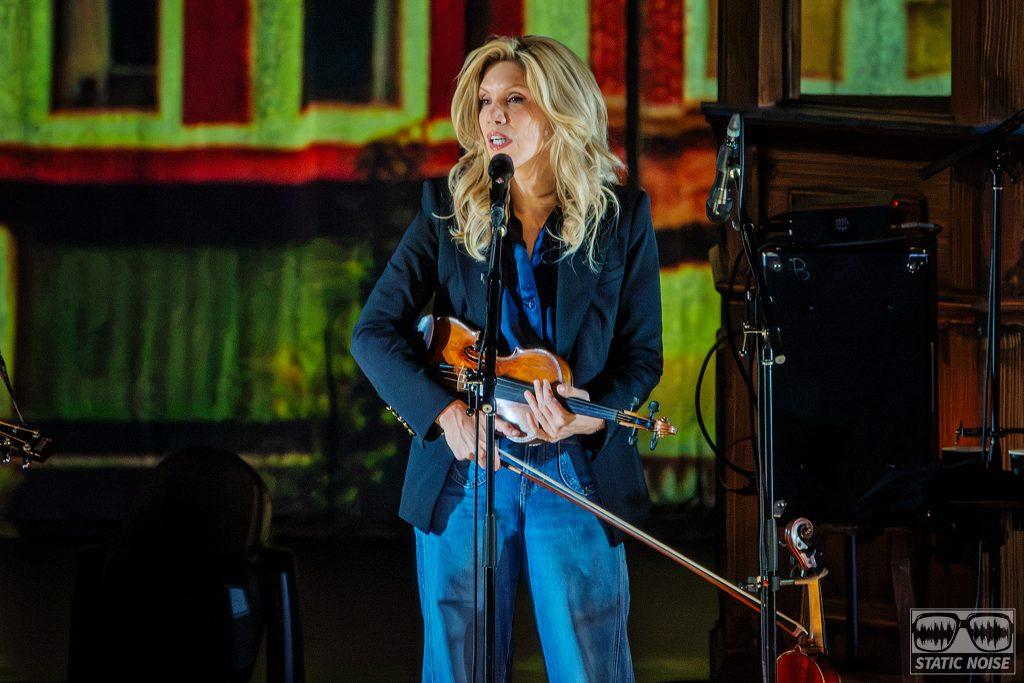
For longtime fans who have followed her career since the 90s, Alison Krauss’ voice has become instantly recognizable. On this night, there was a familiar quality to her performance that felt almost timeless. The same delicate, unmistakable sound that defined her earlier work was still present, paired with the incredible musicianship of Union Station.
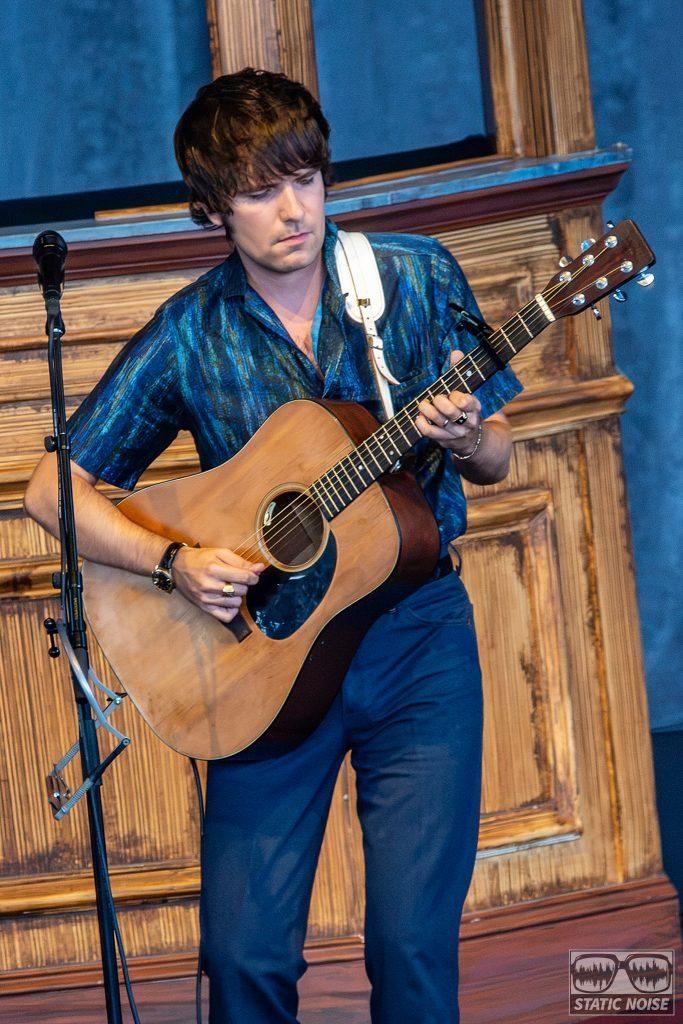
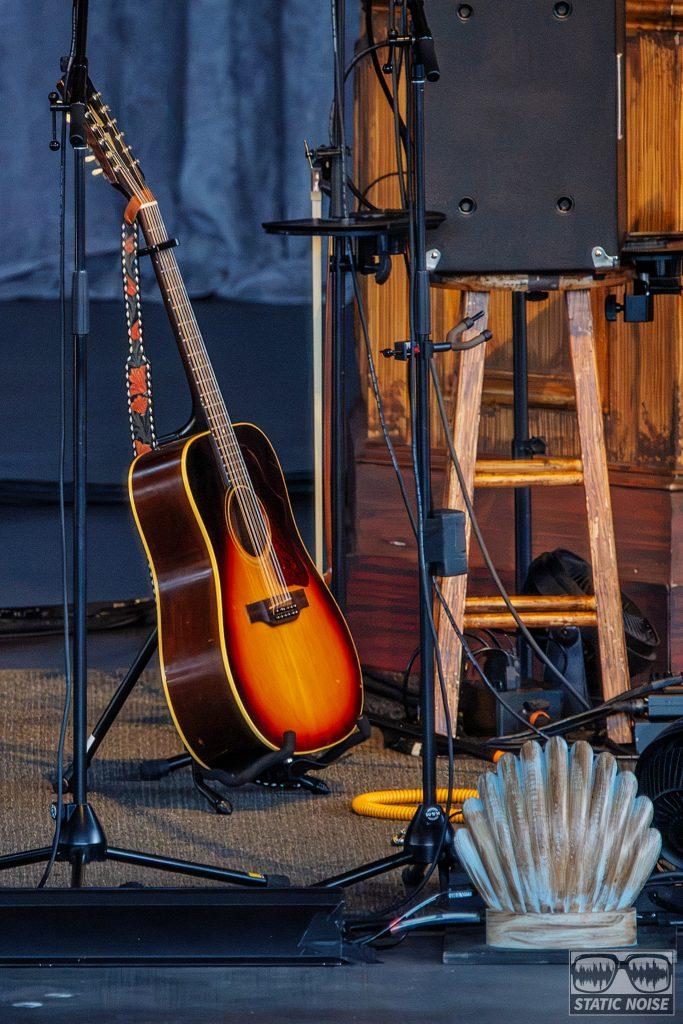
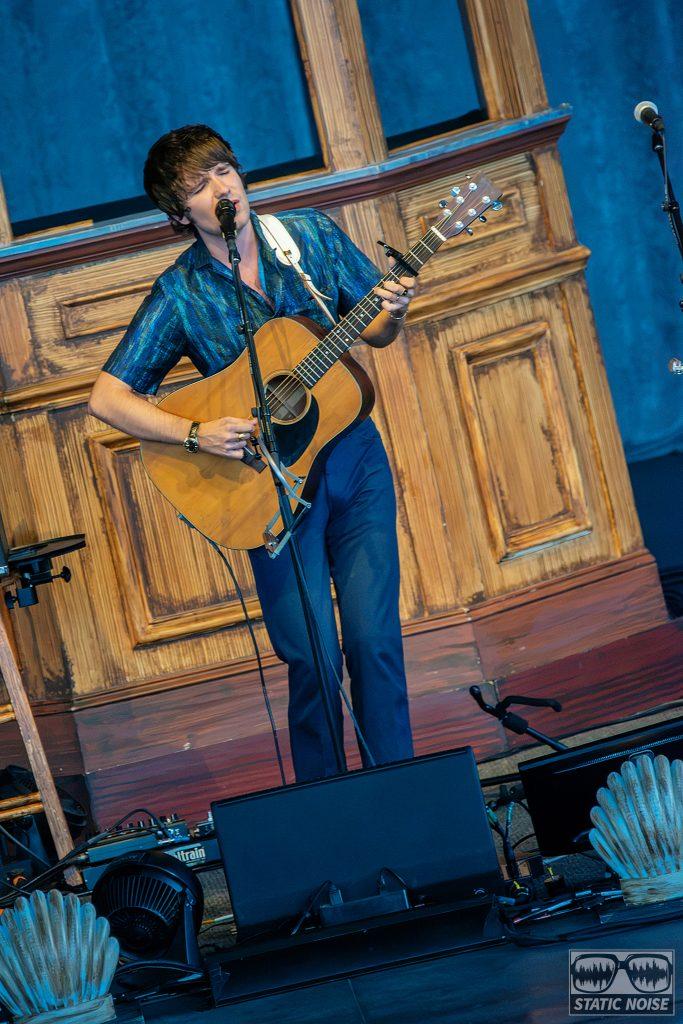
The evening began with French singer-songwriter Theo Lawrence, who took the stage alone with just his guitar. Introducing himself as being from France, Lawrence joked with the crowd about it being his first time in Canandaigua and asked if he had pronounced the city correctly. He was pretty close, earning a laugh from the audience.
Lawrence brought a soulful, blues-influenced sound to the stage, mixing original songs with his quirky sense of humor between tracks. He explained that he likes live songs and prefers them “bitter,” telling the crowd that many of his love songs were sad and miserable, just the way he liked them.
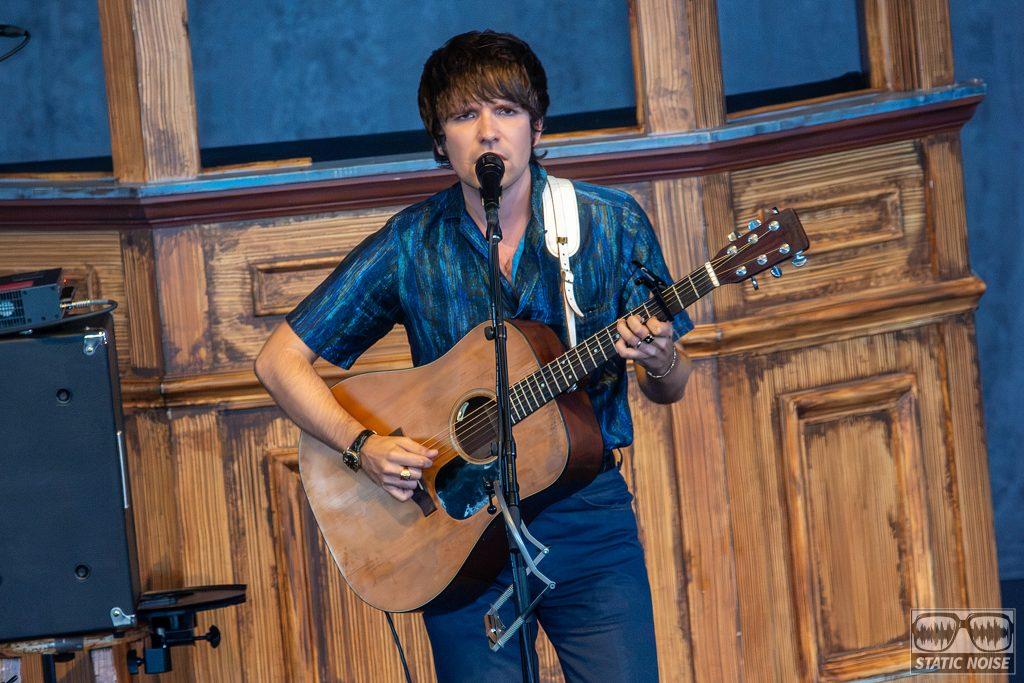
Before performing “I Love You Bartender,” which featured him adding harmonica, Lawrence joked about writing the song for bartenders everywhere.
“Thank you very much. I’ll be playing a lot of love songs tonight. Original love songs, and most of them will be sad, miserable, just the way I like it. Hope you don’t mind. Hope you can take it. No. It’s hard. The sadder the tune, the better I feel, actually.”
That sense of humor carried throughout his set. Songs like “Everyday Ends With a Y” and “California Poppy PCH” showed off both his songwriting and personality. Later, he brought another guitarist, Phil, onto the stage, mentioning that the two had been traveling together in a rental car throughout the tour.
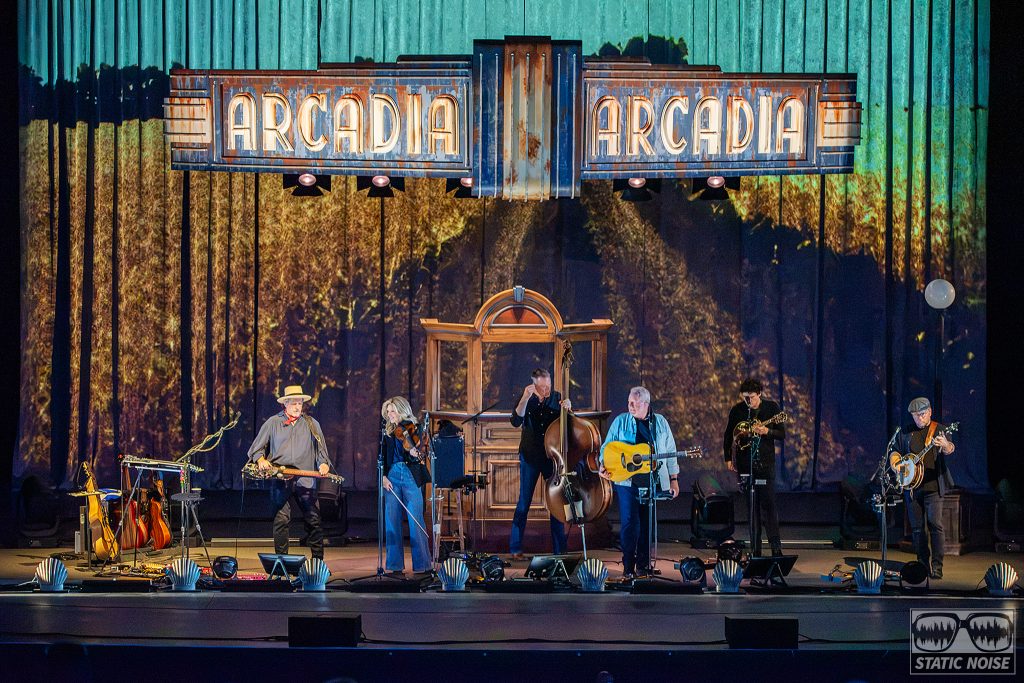
After a short break, Alison Krauss and Union Station took the stage with a production that focused more on the music than anything flashy. The stage was dimly lit, creating an intimate atmosphere despite the size of CMAC. Above the band hung a marquee that read “Arcadia,” the title of their latest album, with a ticket booth underneath that gave the stage the appearance of an old theater entrance.

The band opened with “Looks Like the End of the Road” from Arcadia, immediately bringing the audience into their newest material. The second song, “Granite Mills,” featured Russell Moore on vocals, adding another standout moment before the band moved into the instrumental “Choctaw Hayride,” which earned a strong response from the crowd.
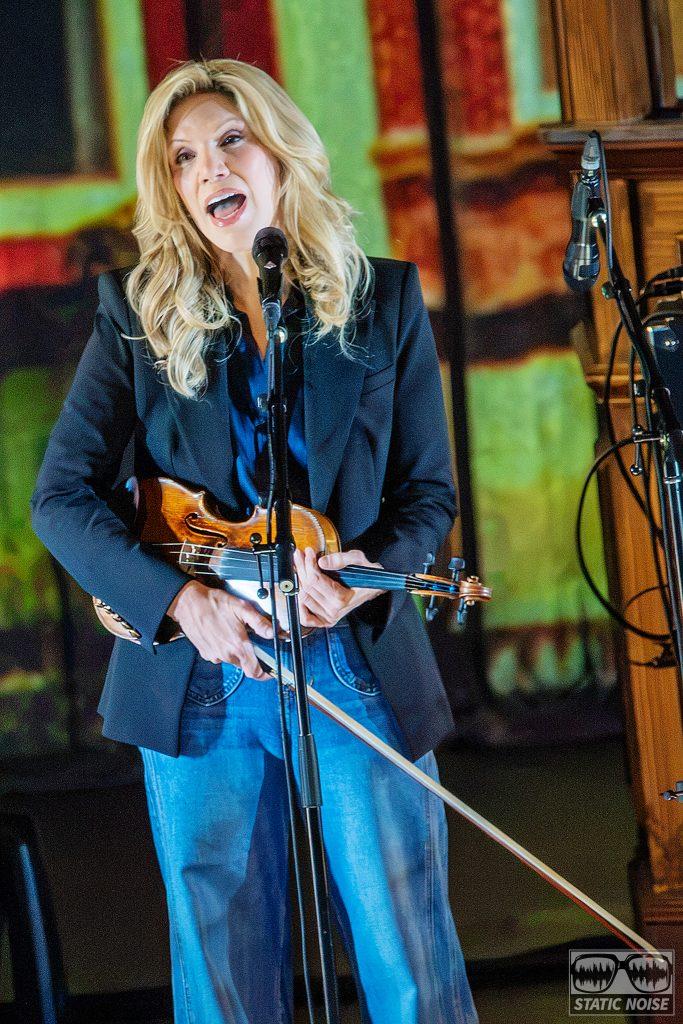
Throughout the nearly two-hour set, Alison Krauss and Union Station moved between songs from Arcadia, fan favorites, and selections that highlighted the band’s decades-long history. Krauss’ voice was exactly what fans have come to expect: soft, clear, and instantly recognizable.
Krauss’ quiet personality also came through between songs. Soft spoken and understated, she shared stories about the band and their music while adding unexpected moments of humor. Her conversational style and gentle delivery brought a warmth to the performance, with moments that even carried a little of the charm associated with artists like Dolly Parton.
During “Let Me Touch You for Awhile,” Krauss joked that the song was their “dirty song,” giving the crowd a laugh before launching into one of the most recognizable songs from the band’s catalog.
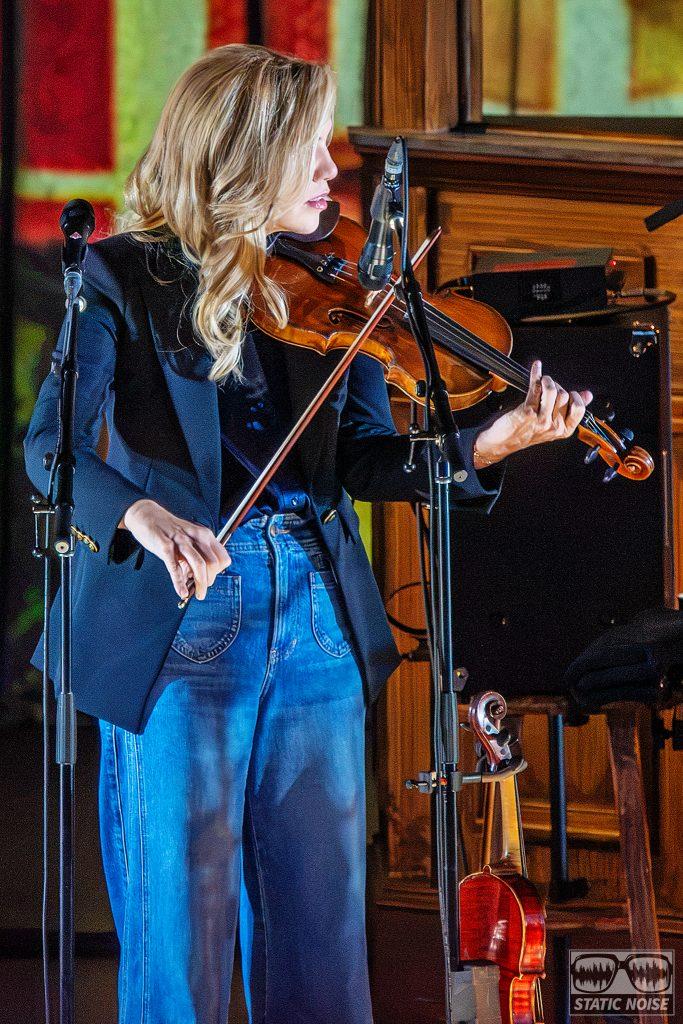
The musicianship throughout the night was exceptional. Every member of Union Station brought an incredible level of talent to the stage, creating a performance where every instrument had a purpose. Krauss frequently highlighted her bandmates, sharing stories about their history together and their contributions to the music.
She introduced Jerry Douglas, whose slide guitar playing has been a defining part of bluegrass music. Douglas performed a solo section featuring “American Tune,” “Spain,” and “Little Martha,” giving the audience a chance to experience his skill as a musician.

The visuals behind the band complemented the music without overpowering it. During “I Don’t Believe You’ve Met My Baby,” the screen displayed reflections that resembled trees reflected on water. “Dust Bowl Children” was paired with images from the Dust Bowl era, while “The Boy Who Wouldn’t Hoe Corn” featured rural farm imagery that matched the storytelling of the traditional song.
The setlist covered a wide range of Alison Krauss and Union Station’s catalog, including “The Lucky One,” “Ghost in This House,” “Baby, Now That I’ve Found You,” “Wish I Still Had You,” “Forget About It,” “Paper Airplane,” and “Gravity.” New songs from Arcadia, including “One Ray of Sunshine,” fit naturally alongside the older material.
The encore delivered one of the most memorable moments of the night. A longtime tradition of Alison Krauss and Union Station’s live performances is ending the evening gathered closely around a single microphone, creating an intimate acoustic moment that strips the songs down to their simplest form.
Watching the entire band come together in that way highlighted the connection between the musicians and the music itself. The encore featured “When You Say Nothing at All,” a song that helped introduce Alison Krauss’ voice to millions of listeners, along with “Whiskey Lullaby,” “Down in the River to Pray,” “A Living Prayer,” and “When He Reached Down His Hand for Me.”
After decades of creating music that continues to connect with listeners, Alison Krauss and Union Station proved that the power of these songs still comes from the voices, instruments, and musicians behind them.
Alison Krauss & Union Station – CMAC – Photo Gallery by Renee Clark Quade






Theo Lawrence – CMAC – Photo Gallery