Photos and Review by Rebecca Clark
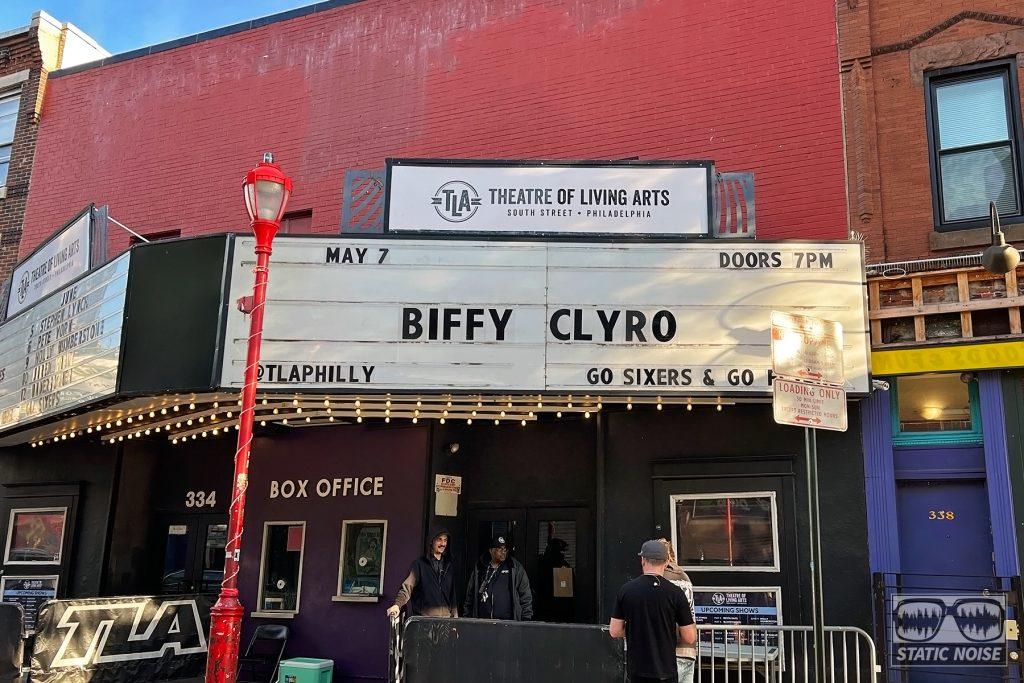
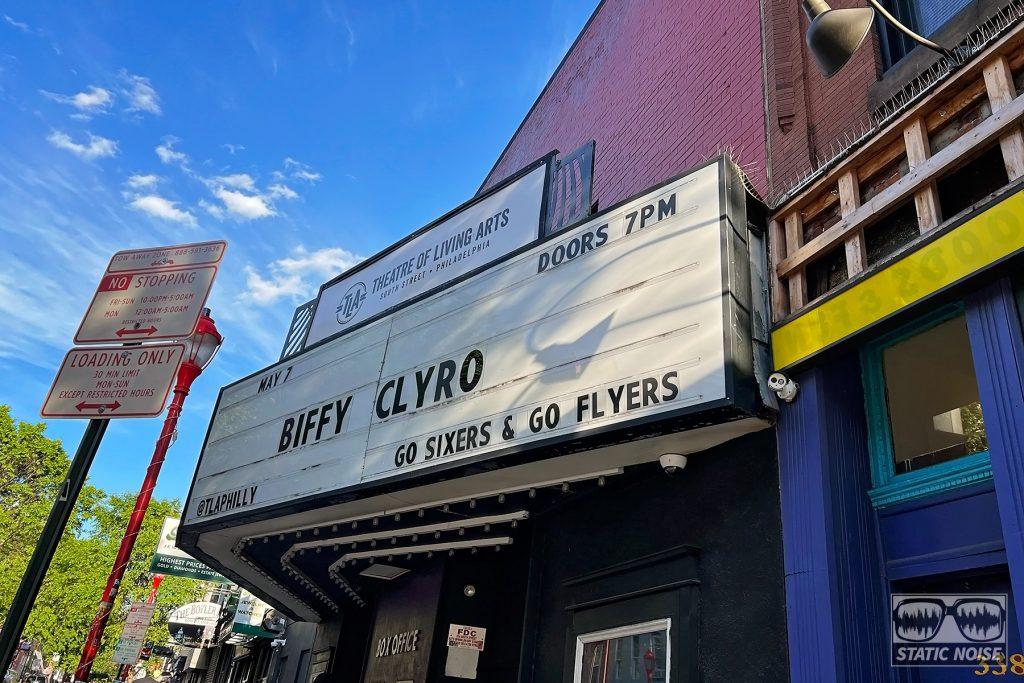
Seeing Biffy Clyro in a venue as intimate as Theatre of Living Arts in Philadelphia still feels surreal. Knowing the massive crowds the band pulls overseas, especially in Scotland, it’s never lost on American fans just how lucky we are to experience a band of this caliber in a smaller club setting. And on this particular night, that intimacy made every moment hit even harder.

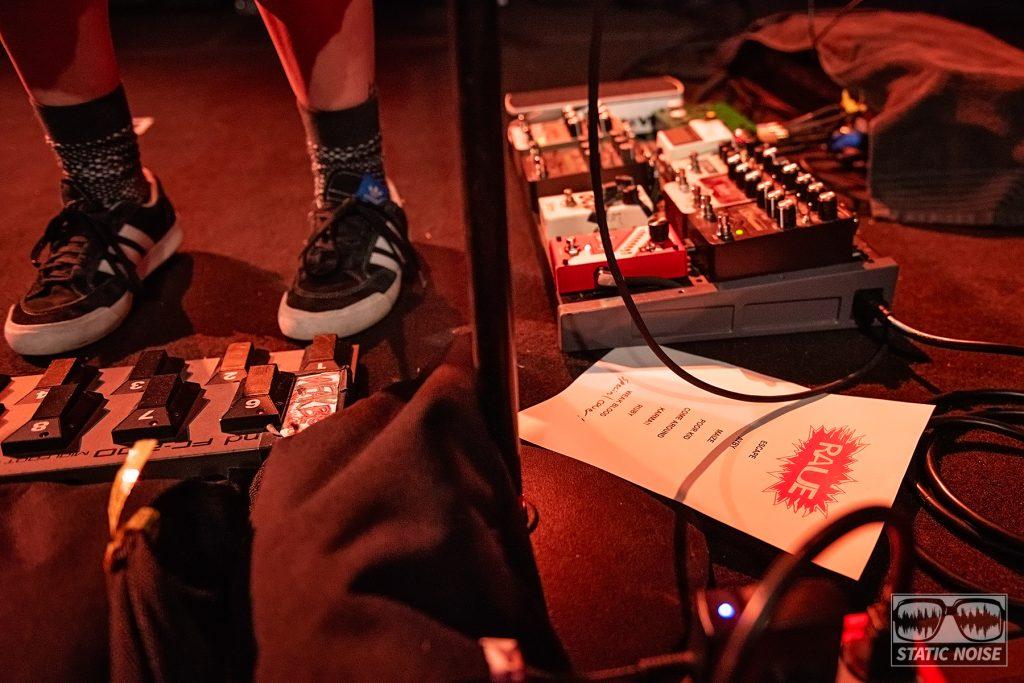
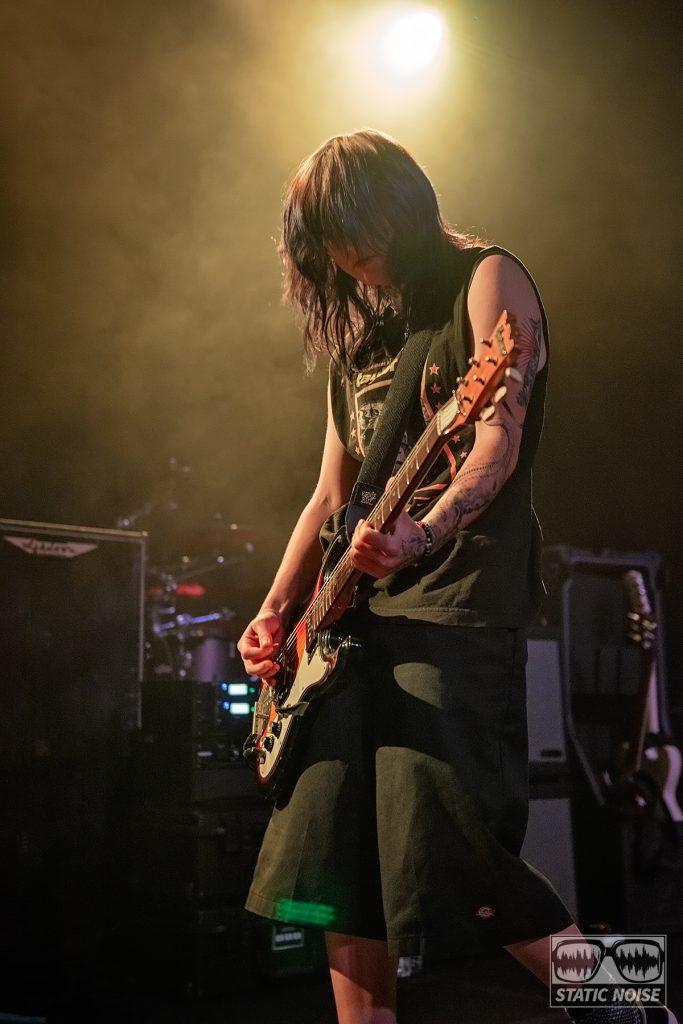
Opening the night was grunge-punk duo Raue, who proved almost immediately that a two-piece band can still create a massive sound. Using electronic triggers to add depth to their live performance, the young duo played a set that felt raw, loud, and unapologetically rooted in 90s grunge. Their sound carried clear influences from bands like Nirvana and Green Day, blending grunge revival grit with punk energy in a way that fit perfectly with the night’s atmosphere.
Despite being in their early 20s, both members performed with the confidence and chemistry of seasoned musicians. Vocalist and guitarist Paige Kalenian brought a fiery intensity reminiscent of Courtney Love mixed with the emotional angst of Alanis Morissette. Meanwhile, drummer Jax Huckle was impossible not to watch, balancing goofy crowd banter between songs with explosive precision behind the kit. At times, his personality even called to mind Halestorm drummer Arejay Hale.

One of the standout moments of their set came during a cover of “Creep” by Radiohead, which immediately connected with the crowd and served as the perfect bridge for fans unfamiliar with the band’s original material. Kalenian also took a moment between songs to speak about AI and how technology can make people feel disconnected from one another, encouraging the audience not to let it become a barrier to genuine human connection. It was a thoughtful moment that made the set feel even more personal. By the end of their performance, with roses being tossed into the crowd, Raue had more than earned over the room.
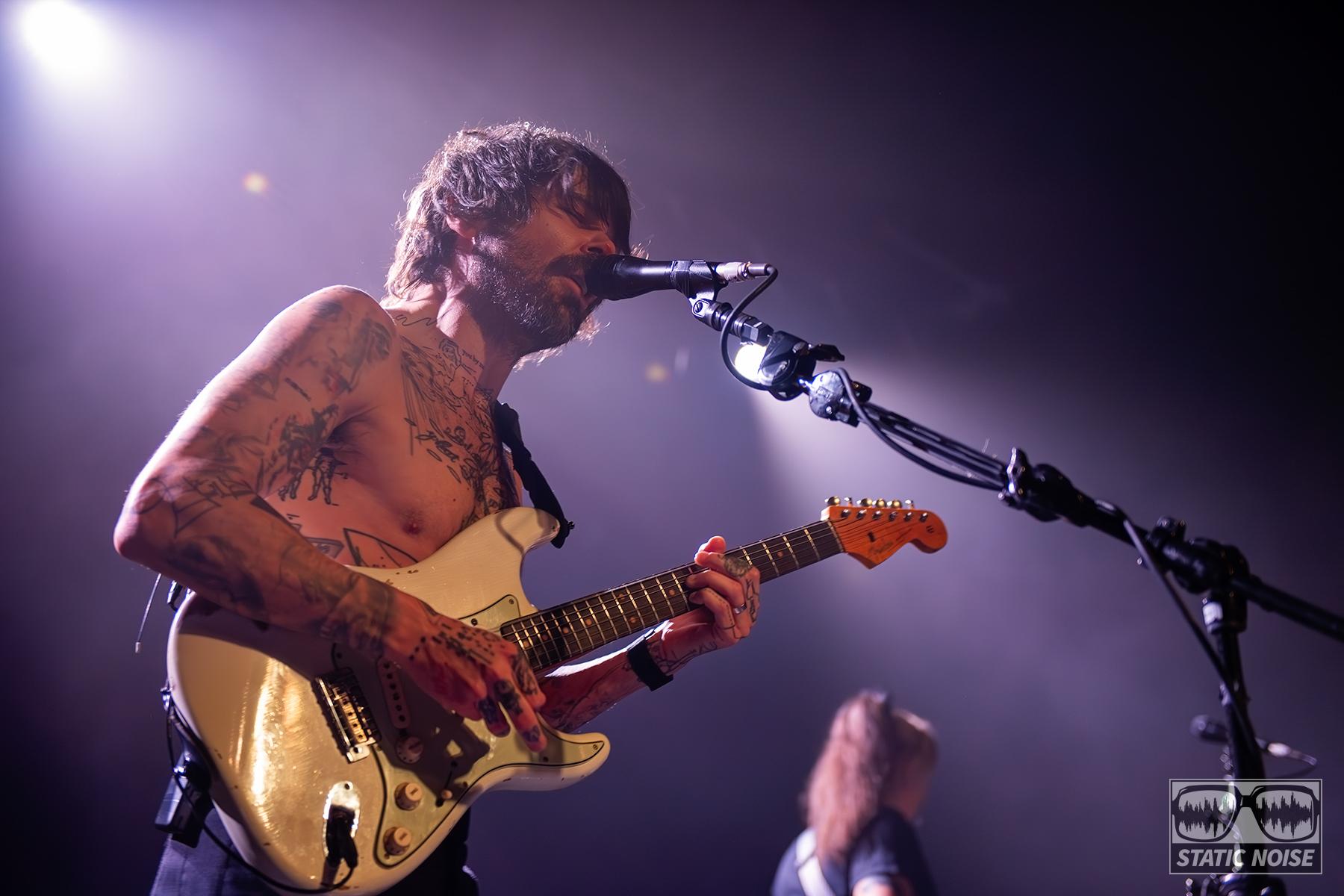
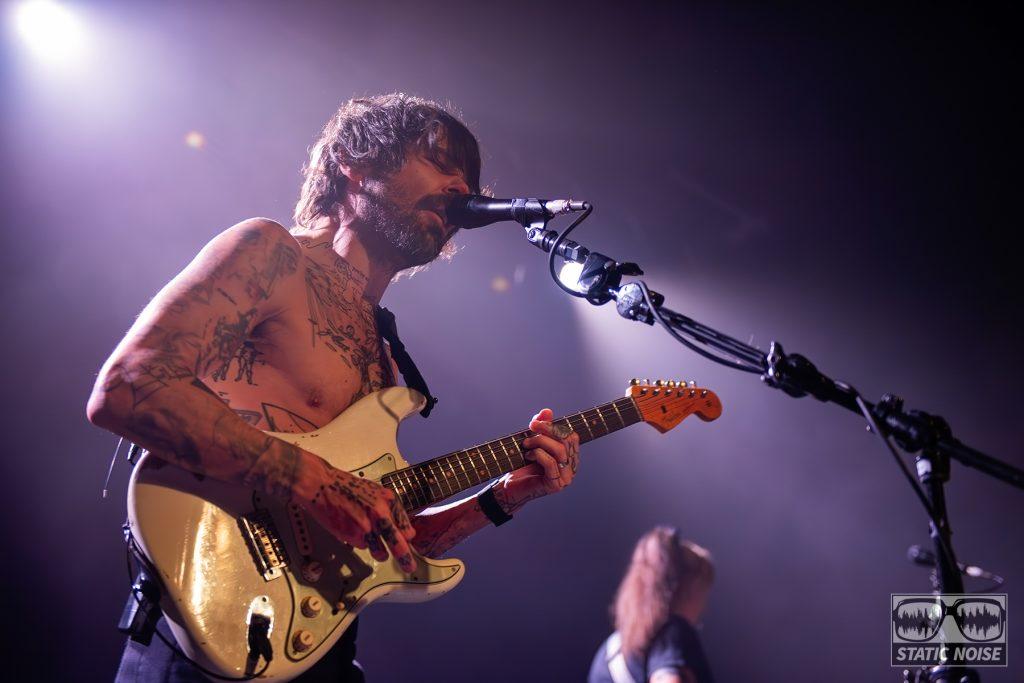
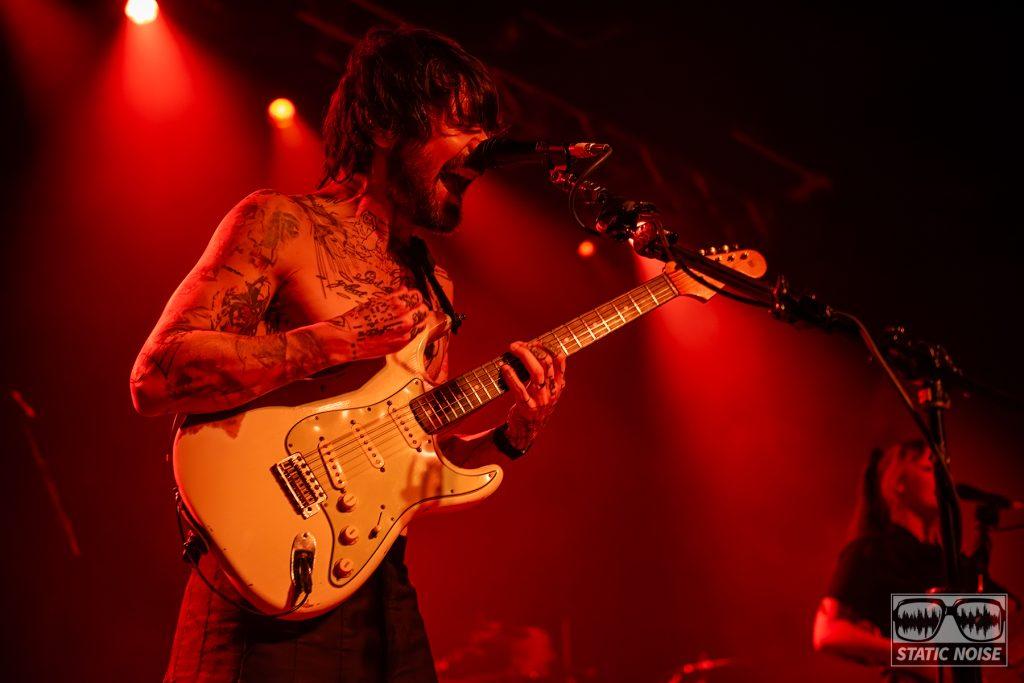
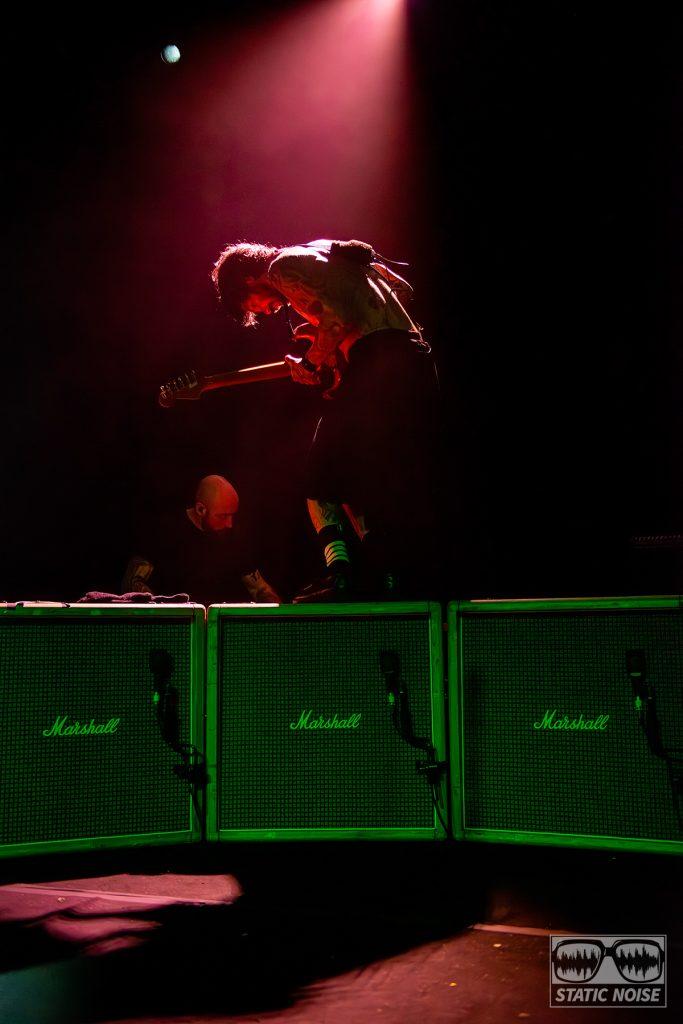
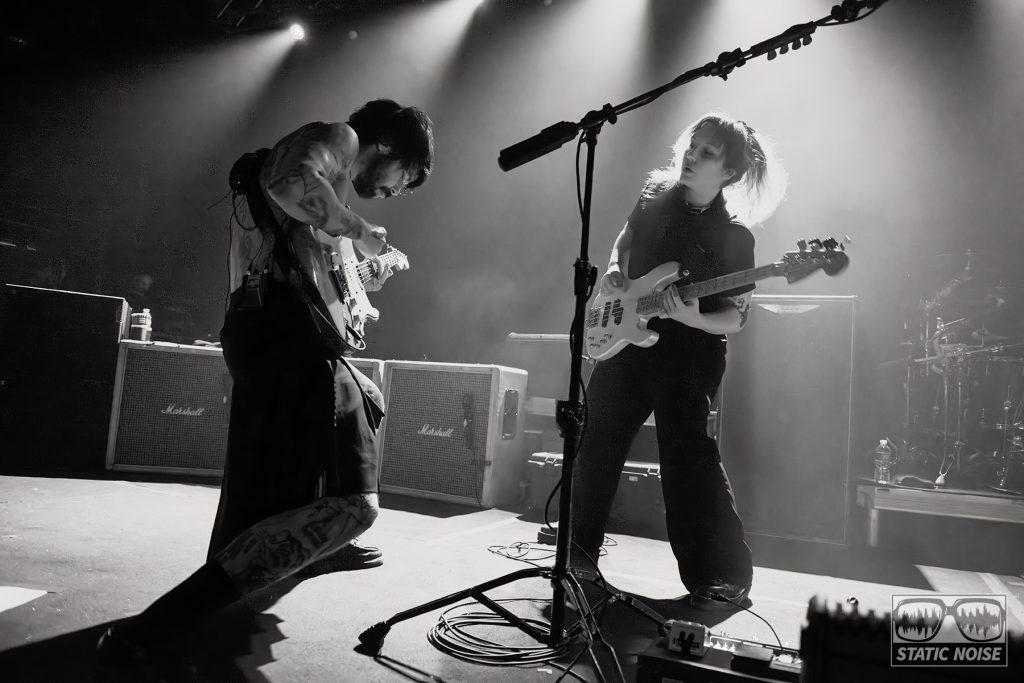
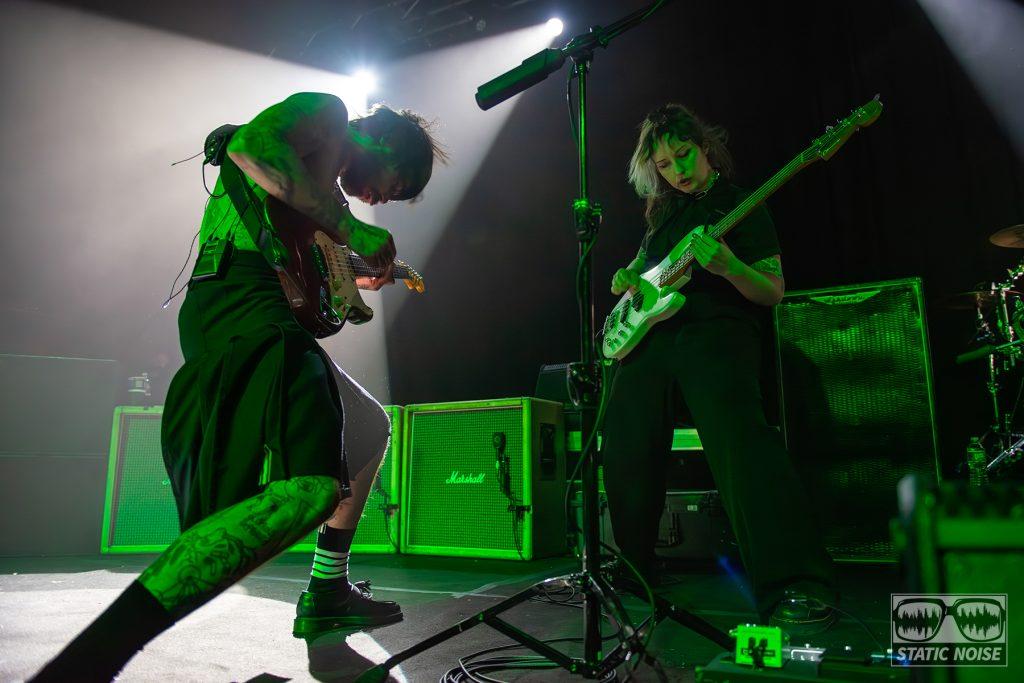
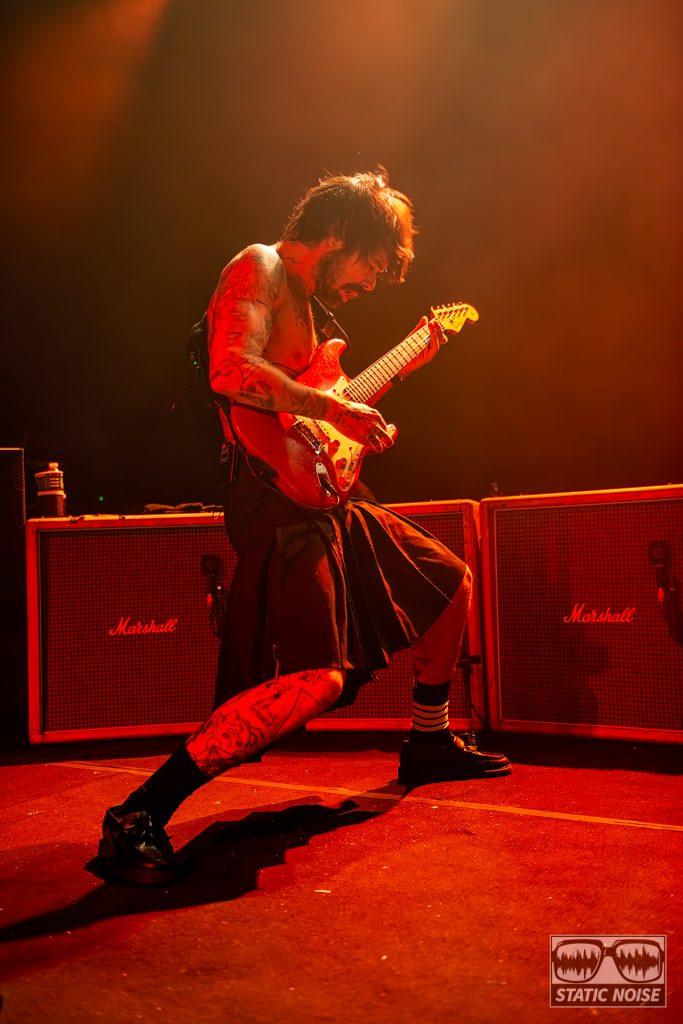
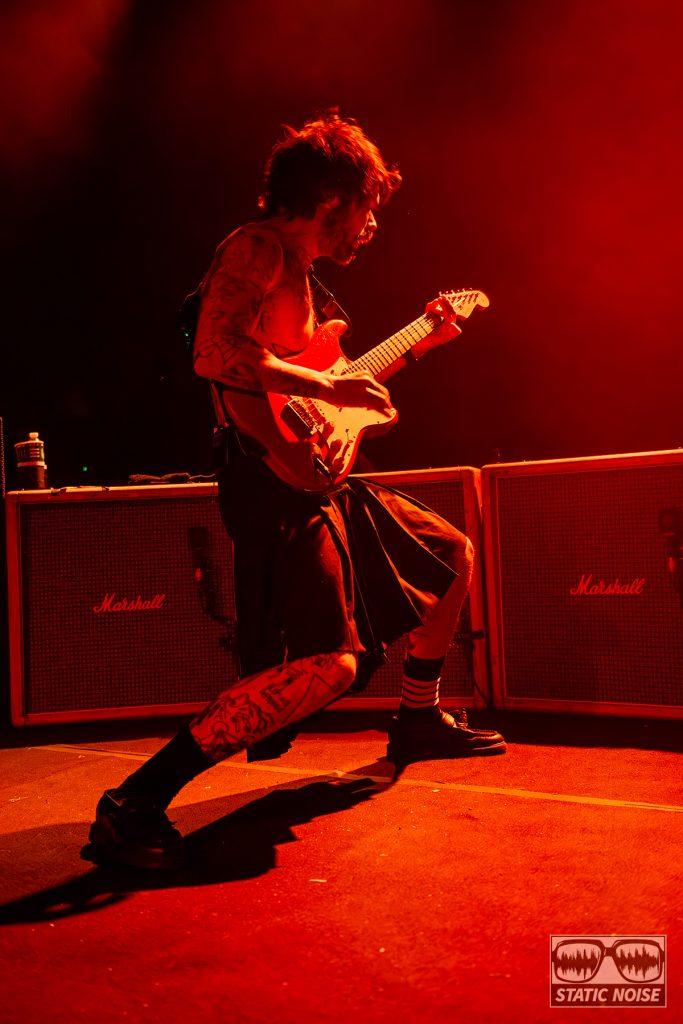
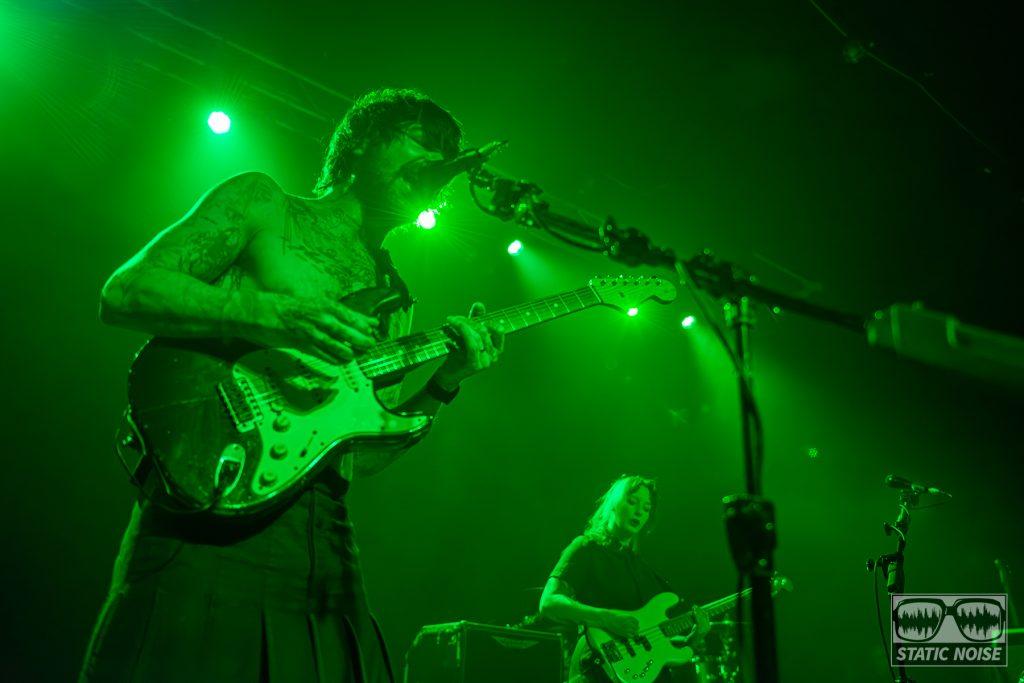
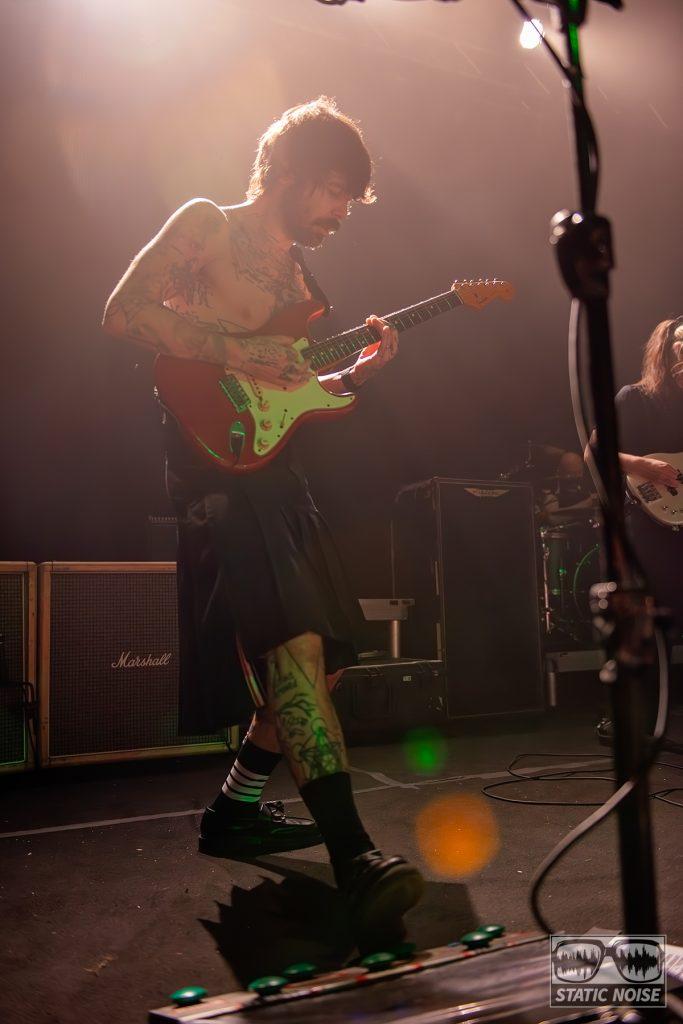
When Biffy Clyro finally took the stage, they wasted no time diving headfirst into material from their latest album, Futique. Opening with “A Little Love” and “Hunting Season,” the band immediately showcased just how much heavier and more emotionally charged these songs become in a live setting. Simon Neil first appeared standing elevated on a platform at the back of the stage before moving forward to get closer to the crowd, instantly pulling the room into the band’s orbit.

For longtime fans, the setlist felt carefully curated across every era of the band’s career. Earlier songs like “The Captain,” “Living Is a Problem Because Everything Dies,” and “Machines” blended seamlessly alongside later releases like “A Hunger in Your Haunt” and “Wolves of Winter.” With a catalog as deep as theirs, narrowing down a setlist can’t be easy, but the balance between nostalgia and evolution felt nearly perfect.
There was, however, an emotional weight hanging over the evening. Fill-in bassist Naomi Macleod performed admirably throughout the set, but the absence of bassist James Johnston was deeply felt. That feeling became especially powerful during “Machines,” when the stage briefly stripped down to Simon alone before James’ twin brother and drummer of the band Ben Johnston joined Simon to sing the line, “take the pieces and build them skywards.” In that moment, knowing James is currently at home healing and rebuilding himself, the lyric carried an even deeper meaning than usual.

Throughout the night, Simon and Ben both took time to interact with the crowd. Simon cracked jokes, experimented with fun guitar noises between songs, and moved with a level of intensity that made it impossible to look away. Even after all these years, there’s still something mesmerizing about watching how physically connected he becomes to the music while performing.

For me personally, hearing “Mountains” live meant more than I expected it to. Being on the rail, photographing the show, and fully immersing myself in the moment allowed me to create a completely new memory around that song. Even something as small as catching one of Simon’s guitar picks became part of what made the night special.

That feeling ties directly into the meaning behind Futique itself. Simon Neil has described a “Futique” moment as something that may feel ordinary while it’s happening, but later reveals itself to have been incredibly meaningful, a memory you end up treasuring far more than you realized at the time. This may have been just another stop on tour for the band, but for the fans packed into that room in Philadelphia, it absolutely felt like one of those “Futique” moments.
Closing the night with “Many of Horror” was the perfect emotional song to end on. The song remains one of the band’s most powerful compositions, soaring, vulnerable, and loud enough to transform heartbreak into something strangely cathartic. There’s an emotional weight layered into that track that somehow makes you want to scream every word while simultaneously feeling like you could cry. Even though “Many of Horror” predates Futique by years, the song felt perfectly at home in this current chapter of the band, one defined by vulnerability, reflection, and emotional honesty. It was the kind of ending that reminded everyone in the room why music matters in the first place.
Biffy Clyro Photo Gallery














Raue Photo Gallery